WELL Building Standards for Custom Homes
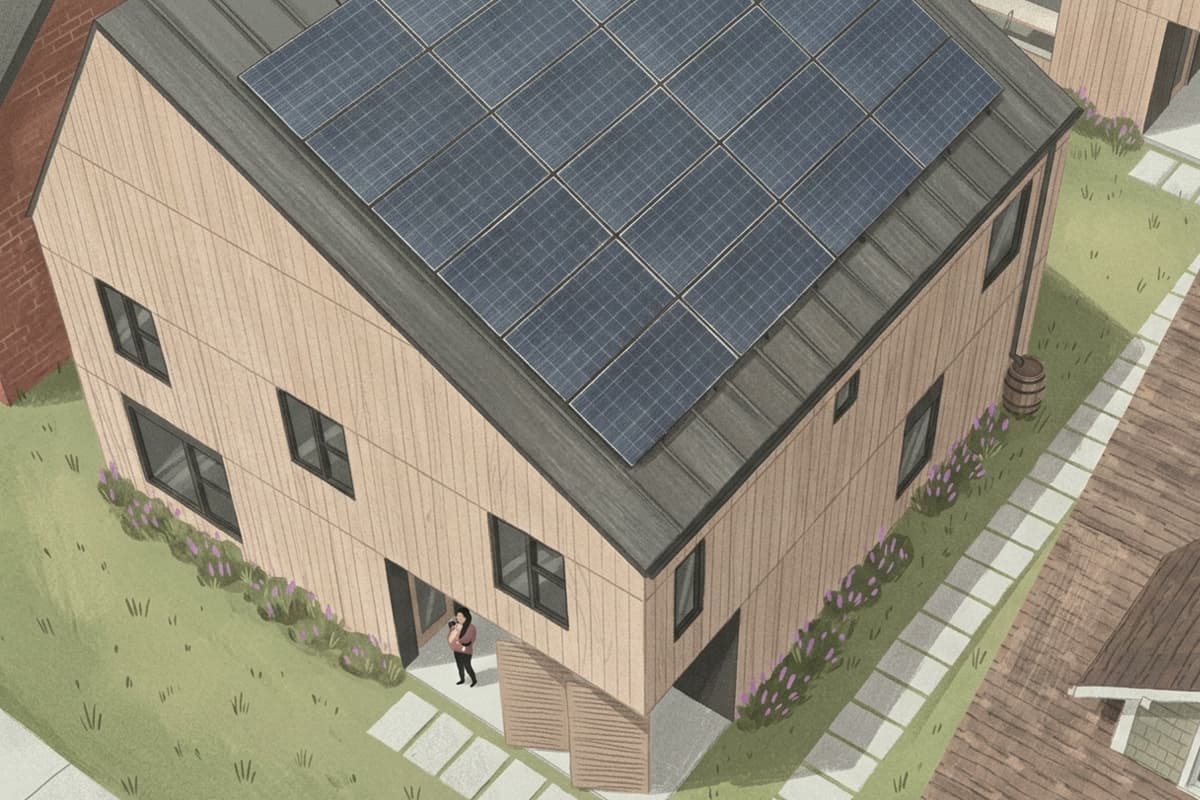
When building a custom home or renovating an existing house, there should be a focus on the health and wellbeing of the occupants using standards like the WELL Building Standards.
With humans spending a majority of their lives inside their home, designing high-performance spaces centered on long-term physical and cognitive health is essential.
The best residential designers are those who keep current with different standards of practice and WELL is a guideline that is rethinking how homes should be designed and built instead of the current fast fashion trend.
What is WELL?
WELL is a building standard focused on human health and wellness.
While LEED revolutionized the adaptation of building certifications, WELL is a response and reevaluation of how to build a better building that focuses on the occupant's livelihood, unlike another newer standard, Passive House.
We spend a majority of our lives indoors. The air we breathe, the light that hits our eyes, and the materials we touch every day are important to our long-term health.
Having standards that establish defined targets for continuous air filtration, whole-house water purification, circadian lighting automation, acoustic isolation, and non-toxic material selection creates an important framework for approaching building design.
Implementing these principles along with a great floor plan ensures single-family residences function as supportive living environments engineered to reduce physiological stress, improve sleep quality, and protect long-term physical health.
The 10 Concepts of WELL
Many people do not realize that building codes are the absolute minimum requirements for building. There are many areas that can be improved to create a healthy home that fall into one of the 10 categories of WELL:
- Air: Moving beyond basic HVAC filtration to HEPA filtration and using Energy Recovery Ventilator (ERV).
- Water: Whole home filtration that treats water as soon as it enters the home.
- Light: Circadian lighting systems that mimic the sun’s color temperature to regulate your sleep-wake cycle.
- Thermal Comfort: HVAC zoning to reduce unnecessary stress, discomfort, and distraction related to unoptimized environments.
- Sound: Engineering acoustic privacy so the home remains a sanctuary of focus and rest.
- Materials: Eliminating VOCs, endocrine disruptors, and forever chemicals
- Mind: Integrating biophilic design; nature, natural patterns, and textures as a way to lower cortisol levels.
- Movement: Designing homes that encourage natural physical activity.
- Nourishment: Kitchens designed to make fresh, whole foods the easiest choice.
- Community: Creating inclusive, universal spaces that support aging-in-place and social connection.
How Can A Home Apply WELL Concepts?
Quality designed custom homes can apply WELL Building Standard concepts by taking a health-first approach to design.
The key is to focus on the most effective measures. This includes installing an Energy Recovery Ventilation (ERV) with MERV 13 or HEPA filtration, water purification, and specifying zero-VOC interior finishes.
Additionally, continuous acoustic wall dampening and other quality building measures will go a long way towards occupant well-being.
What are the Benefits of Building WELL?
Implementing the WELL Building Standard delivers health improvements by dramatically reducing indoor pollutants and toxic chemical off-gassing.
Designing a human-centric environment enhances cognitive function, daily energy levels, and sleep quality.
How to Earn A WELL Certification
Earning a WELL certification involves registering the project through the International WELL Building Institute (IWBI) platform and selecting appropriate residential performance features across the ten core concepts.
The design and construction teams then have to compile technical documentation, architectural drawings, material specifications, and engineering reports to demonstrate compliance.
Finally, a certified WELL Performance Testing Agent conducts on-site performance verification, including air and water quality testing, to secure final certification.
To get a WELL certified home, expect to spend $5,000 - $10,000+ for things including the registration fee, documentation and review fees, and performance testing.