Your $2M Denver Custom Build Might Actually Be Fast Fashion. And that’s a problem.
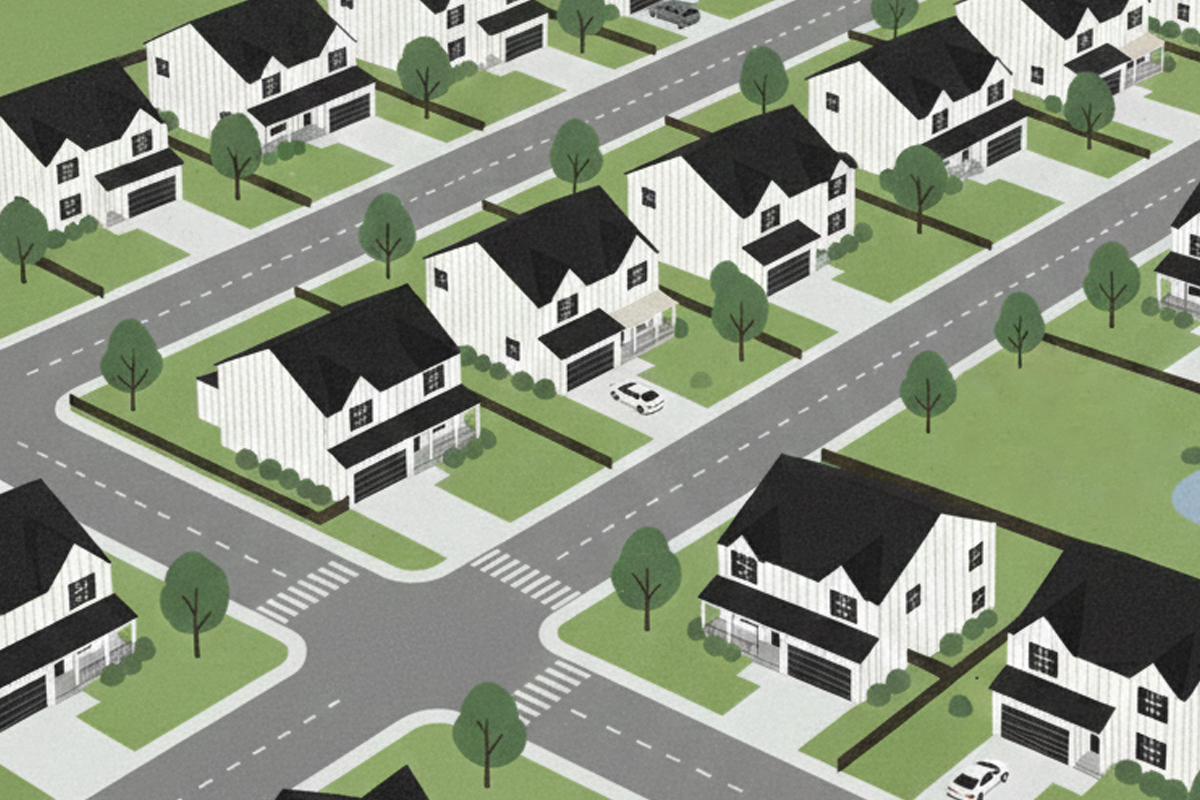
Walking through Park Hill, LoHi, Wash Park, or Cherry Creek and you’ll see stark, out-of-place houses. They’re minimal but not in a classy way. They awkwardly pay homage towards traditional architecture but are jarring compared to their neighbors.
If one can look beyond the sticker price for the homes, they look and feel like something that belongs on the clearance shelf at Target.
We are currently witnessing a surge in what I call the fast fashionification of architecture. These multimillion dollar “custom” homes aimed to look best in tight shots on an Instagram carousel and built to last as long as a trend on Instagram.
The Symptoms of a Fast Fashion Home:
- Trend-Chasing over Context: Black thin-frame windows, WHITE with a collage of other materials, and light oak floors. A vague attempt at Modern Farmhouse meets soulless Gray Box starter pack. It looks shiny today, but in seven years, it will be the architectural equivalent of a "Live, Laugh, Love" sign.
- Surface-Level Luxury: High-end appliances installed in kitchens with contractor grade trim and cabinetry. Or feature walls that are really just MDF slats glued over poorly finished drywall.
- The Segmented Floorplan: Layouts designed to check boxes for some algorithmic ROI calculator. The homes are segmented where rooms aren’t properly sized, ending up with a segmented house with an awkward open floor concept space.
Why This Is a Crisis for Denver
Building a home should be an exercise in permanence. When you spend $400–$700 per square foot on a custom build, you should be getting something enduring. Fast fashion design relies on visual eye candy to distract from mediocre craftsmanship.
These homes lead to high maintenance costs, poor thermal performance in our Colorado climate, and a resale value that will plummet the second the next big aesthetic takes over (are we on to barndominiums or whatever now?).
Single daily homes play an important role in the overall feel of Denver. Putting up these white elephants that suck energy is going to be costly to the city especially when added together.
How to Design Better Homes
- Design for the Site, Not the Feed: Each piece of property has different elements, being able to take advantage of the site's natural features like sunlight and cross ventilation can reduce energy demands.
- Invest in the Bones: I would rather see people spend on superior insulation and passive detailing than importing "fancy" brick from Tampa.
- Materials with Patina: Choose stone, brick, and wood that look better as they age, not materials that look shabby the moment they get their first scratch.
The Fix
Build a home that someone will still want to live in 50 years from now, not one that will dwell on the real estate market for 123 days when you go to sell in a decade after it has become unfashionable. True luxury is creating a beautiful heirloom for the city and building it to last.