
Subfloor Showdown: AdvanTech Vs. OSB Vs. Plywood
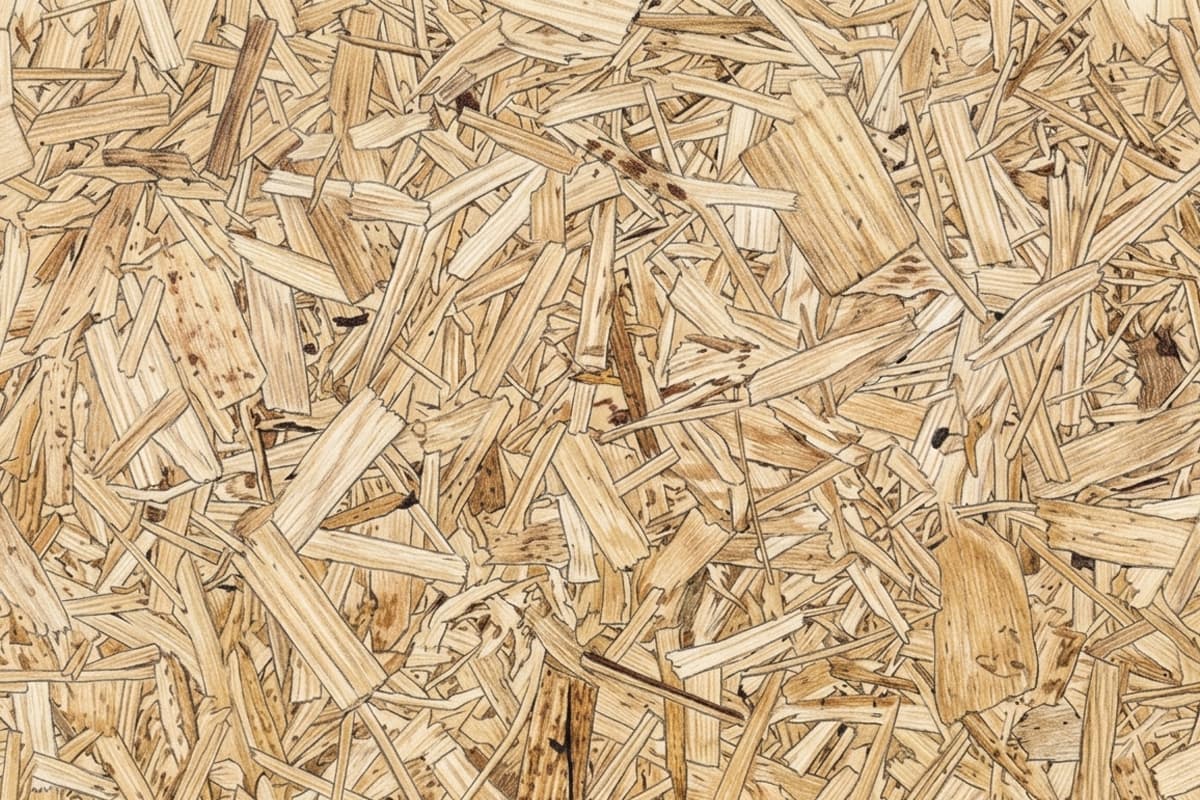
The choice of subflooring is often not even thought about when building a custom home. But it is the primary factor in determining the long-term durability and quietness of a home.
For those building in 2026, the debate centers on three distinct categories: plywood, oriented strand board (OSB), and high-performance engineered panels like AdvanTech.
There really should be no discussion as to what subfloor material is the best for building. Properly installed AdvanTech that has been glued and screwed down with proper tongue and groove installation is the number one factor in creating a solid home. If nothing else, make sure you specify this on your home.
I was originally biased against OSB products but after giving Advantech a chance, there is no way that I would not use it on a project.
Ranking Subfloor Materials
3. (Bad) Commodity OSB
Standard OSB is made of wood strands bonded with wax and resin. It is the most budget-friendly option. However, it has a significant flaw, it sucks up moisture and delaminates. When standard OSB gets wet during the construction process, the edges tend to swell. This creates a mushrooming effect that requires extensive work to level the floors before the final flooring can be installed. In many cases, the edges never fully return to their original thickness.
2. (Good) Plywood
Plywood uses cross-laminated veneers of real wood. It is traditionally viewed as the stiffer, more reliable choice. It handles moisture better than commodity OSB because it dries out faster and does not swell as permanently because of the crosslamination. The downside is the internal voids and quality of plywood for the price. Plywood can have small gaps in the inner layers that lead to soft spots or "delamination" over time and also at the cheaper price point isn’t perfectly dimensionally stable.
1. (Best) AdvanTech
AdvanTech is technically a form of OSB, but the manufacturing process is fundamentally different. It uses a much higher concentration of moisture-resistant resins. Every wood strand is essentially coated in a protective layer.
This results in a panel that is significantly denser and heavier than both plywood and standard OSB. It is specifically designed to be able to endure standing water during a surprise snowstorm without losing its structural properties or requiring edge sanding. The beading of water on AdvanTech is like what you would find on a waterproof jacket.
Having a tongue and groove channel routed already in the subfloor makes an Avantech installed floor feel consistent and stronger tied together.
With the dense construction, the other added benefit is that it does far better with sound attenuation.
Technical Comparison Table
Feature | Commodity OSB | Plywood (CDX) | AdvanTech |
Moisture Resistance | Low | Moderate | High |
Stiffness | Low | Moderate | Very High |
Edge Swell | Significant | Minimal | None |
2026 Cost | $25 | $56 | $43 |
Density | Low | Moderate | High |
Installation
Selecting the right subfloor material is only half the battle. The most common cause of floor squeaks or deflection is not the material itself, but the movement of the panel against the floor joist.
Glue and Screw
- The Adhesive: Use a high-quality subfloor adhesive. In 2026, I prefer foam-based adhesives that provide a stronger bond and fill small gaps between the joist and the panel. Tytan Subfloor or Avantech’s own foam adhesive works well. After those, Loctite PL400 is a great construction adhesive to use on a subfloor.
- The Fasteners: While many production builders use nails for speed, screws provide significantly better pull-through resistance. If you use nails, they should be ring-shanked to prevent them from "popping" over time as the wood shrinks and expands. My preference is a 2” GRK R4 screw or a SImpson Subfloor screw.
Home Projects
Working on projects for your existing home or thinking about building a custom home can be a daunting task. Don't hesitate to reach out if you're needing any advice, see my calendar for scheduling a time to talk.