How Long Does a Custom Home Really Take to Build in 2027 (From Planning to Move in)
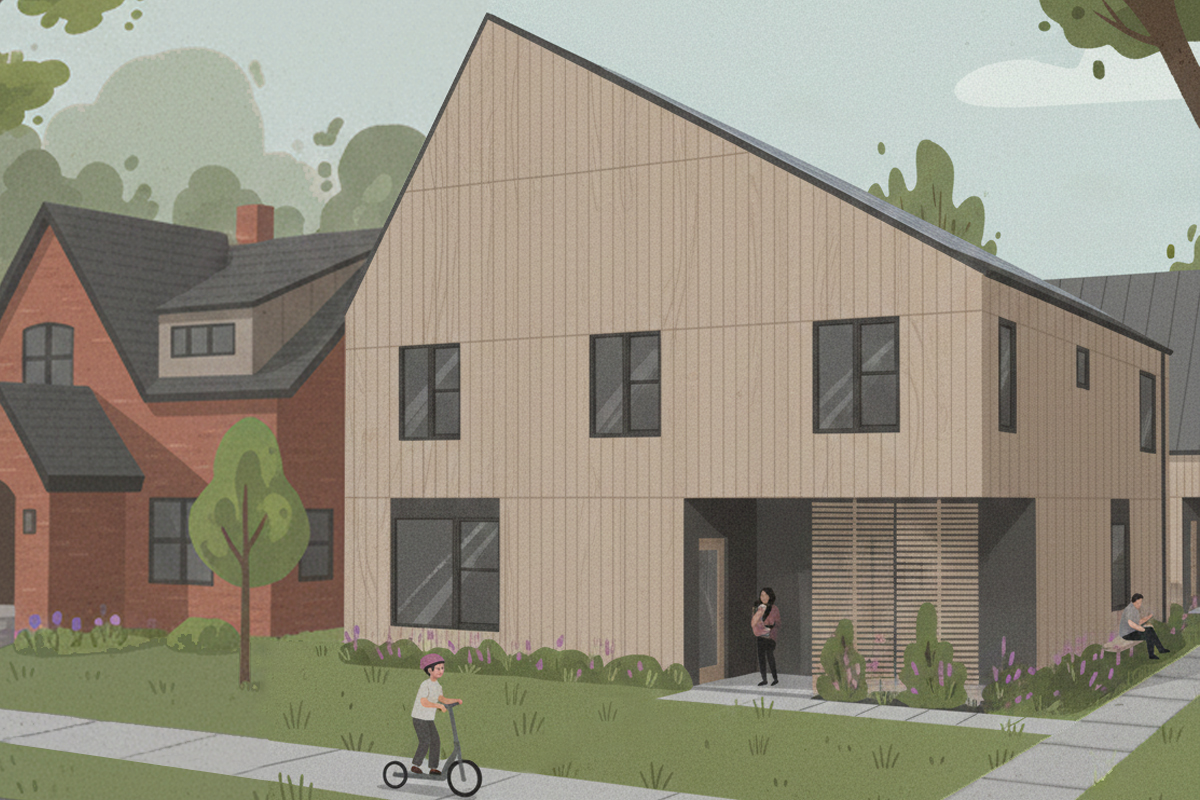
The timeline for a custom home can seem overly complicated. While a standard estimate typically stated by builders is just over 12 months, the reality for a high quality truly custom home project typically is around 18 to 24 months.
Building in 2027, there are some relatively new mandates for sustainability and wildfire resiliency codes, and the retooling of the Denver Permitting system that makes the process have a shifting baseline.
Understanding the process is important to gaining knowledge on creating a timeline for getting a home built. Being able to understand the critical path will enable you to properly schedule design and construction.
Pre-Construction
The most significant delays in modern residential construction occur before any ground is broken. This phase is divided between architectural design and the bureaucratic hurdles of local municipalities.
- Site Survey: A site plan from a surveyor is needed to know the exact boundaries of the property for delineating the buildable area.
- Soil and Geotechnical tests: Dirt is not all the same. Some works well for building, while soils that have more organic composition can be harder to build on. To know how well a plot of land can be built upon, there needs to be a soils test.
- Zoning: Determining the zoning of your lot is important to know the basic constraints of your buildable area. It is not likely in Denver but there are historic districts.
- Utility Hookups: If the utilities aren't on the site yet, figuring out the cost and time for getting utilities to the site is an important first step.
1. Architectural Design and Documentation (3–6 Months)
A custom home is not a copy paste plan that could be purchased online. It is a unique design that is tailored to a specific site and personalized specially to the client. This stage involves:
- Schematic Design: Defining the program, space planning, solar orientation, and massing.
This checklist will help set up your floor plan design for success.
- Design Development: Refining the design, selecting materials, mechanical systems, and structural design.
- Construction Documents: Creating an extensive documentation that provides ample information for bidding and permitting. This includes thorough documentation of high-performance sustainable details and any regulations like the Wildfire Resilience Code if applicable.
2. Permitting (4–12 Months)
In places like Denver, permitting timelines have become extensive. Building department reviews for zoning, health, and fire safety (if located in the mountains) can take anywhere from 8 to 16 weeks.
3. Construction (10–14 Months)
Once the permit is issued, construction can begin. Weather, labor availability, and material lead times are the primary drivers for completion time.
Timelines can be dramatically shortened with having thorough documentation to ensure ordering quantities thus allowing for things to be ordered ahead of time.
Phase | Estimated Duration | Key Issues |
Foundation & Earthwork | 4–6 Weeks | Soil conditions, concrete curing times. |
Framing & Sheathing | 8–12 Weeks | Complexity of the roofline and window sizes. |
The "Rough-In" | 6–10 Weeks | HVAC, plumbing, electrical, and low-voltage. |
Insulation & Drywall | 4–6 Weeks | Moisture levels and drying time for finishing. |
Finishes & Cabinetry | 8–12 Weeks | Custom millwork lead time |
Close-Out (1–2 Months)
The final stage can seem like it takes the longest amount of time. Even when a house looks finished, there is often a laundry list of small things that need to be done before the final inspections are passed.
- Punch List: Addressing cosmetic defects.
- Final Inspections: Mechanical, electrical, and plumbing must be signed off.
- Certificate of Occupancy (CO): The official document from the city that allows move-in.
Building Your Home
Working on projects for your existing home or thinking about building a custom home can be a daunting task. Don't hesitate to reach out if you're needing any advice, see my calendar for scheduling a time to talk.