Planning your Coloradoscape Garden for 2026
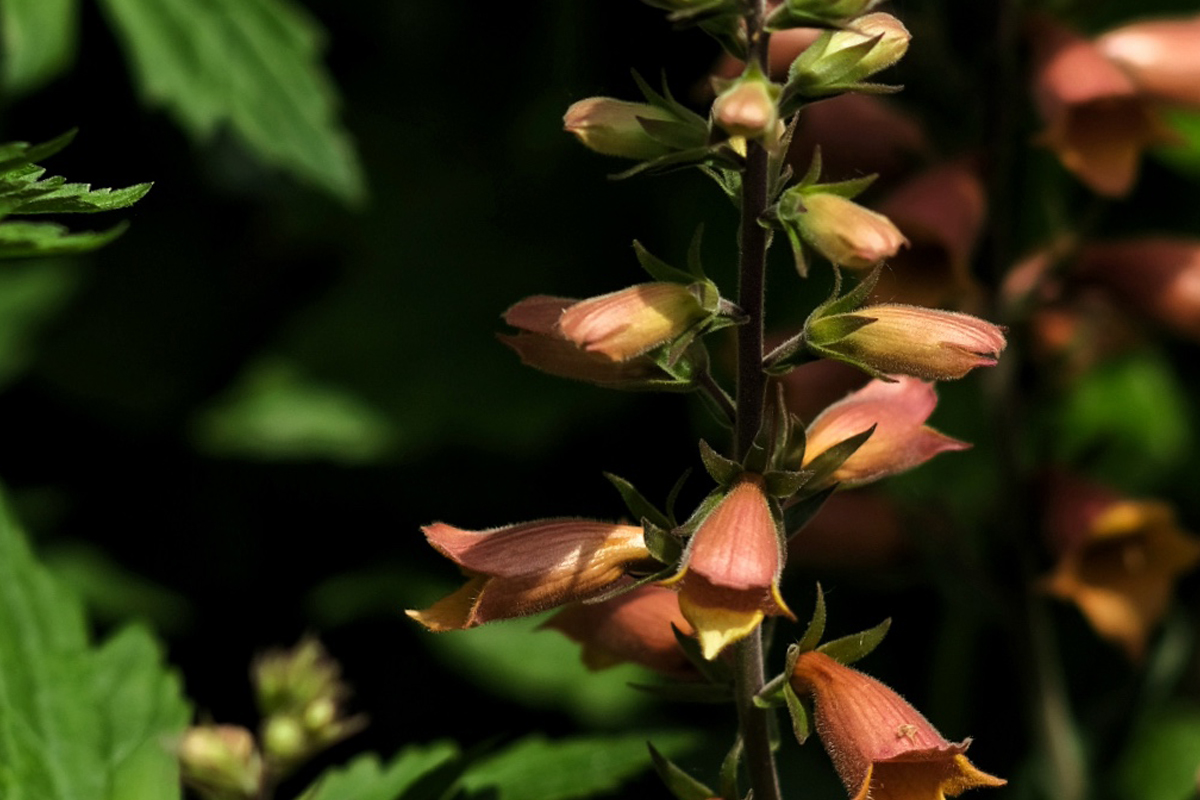
Planning a Coloradoscape garden might seem daunting. Are looking at a fledgling lawn and feeling overwhelmed by the idea of switching to something like a xeriscape? Transitioning from a traditional lawn to a water-wise landscape is one of the best investments you can make for your home and our local ecosystem.
Here is a quick guide to make sure that your xeriscape does not end up as a few lonely grasses in a sea of hot gravel. There is a movement to call water efficient landscaping Coloradoscaping instead to get away from the more minimal landscaping.
1. Map Your Microclimates for a Resilient Design
Before aimlessly wandering around a garden center, it’s best to get a plan! Don't worry about getting it right right away, good design comes from multiple revisions. Sketch the general outline of your house and bubble in different zones:
- Full Sun: High-intensity sun exposure.
- Part Sun: Areas that get relief in the morning or afternoon.
- Shade: Spots under trees or nestled in your home's exterior.
Understanding these conditions prevents the frustration of planting a sun-loving plant in the shade where it withers.
2. Design Like a Living Bouquet
My secret weapon for plant selection is using Plant Select’s plant list. Even if you don't use their specific cultivars, their "Find the Right Plant" tool is an incredible database for species that actually enjoy our climate.
Select a handful of plant species that you like and use them as your cornerstone species. Pick plants that blend nicely together with those plants to fill in space. I find collaging pictures of plants really helps in visualizing plants that go together. Think of it like making a bouquet!
Take your microclimate plan and start drawing blobs of plantings starting with your cornerstone plants. I find using colored pencils really helps in easily distinguishing the different plants like the famed Dutch Designer Piet Oudolf.
Tips for Layout:
- Layer by Height: Place shorter plants up front and work your way to taller species in the back. Instead of thinking in a linear rise, add some interest by changing up height in certain spots.
- Avoid Plant Islands: Group your plants together. When plants are placed too far apart in a sea of rock, you create the opportunity for making the landscape into a heat island. Close groupings look more natural and help regulate temperature. Look at the plant information, there will be a diameter measurement. I usually plant a little closer together to get a more full look.
- Think in Seasons: Duplicate your garden plan for spring, early summer, late summer, fall. Use colored pencils to map out bloom times. You want to make sure that things that are in bloom at a specific time are evenly placed around the garden so that there aren’t small pockets of bloom.
3. Don't Skip the Watering
While the goal of Coloradoscaping is to use less water, new plants need regular water to get established. To protect your investment, I highly recommend installing targeted drip irrigation.
Using a smart controller (like Rachio or B-Hyve) ensures your new garden survives the establishment phase, especially if you head out on vacation. There is nothing worse than returning to toasted plants after a week away!
After the first couple of years, you can taper off watering and reap the water-wise benefits!
4. Play the Long Game
Gardening requires a bit of patience. You’ve probably come across the oft repeated statement:
- Year One: It sleeps.
- Year Two: It creeps.
- Year Three: It leaps!
By that third year, your garden will be stunning. If you want a head start without the design stress, check out Garden in a Box - it’s a fantastic way to get a professionally designed base garden in the ground quickly.
I think that any home should be designed for climate resiliency, if you need help with coming up with an existing landscaping strategy or would like to design a home set beautifully in the land reach out at [email protected].