Building in Colorado: Model Low Energy and Carbon Code Quick Guide
The July 1, 2026 deadline for Colorado’s Model Low Energy and Carbon Code is upon us. That means that there are new solar and EV preparedness requirements for building in Colorado.
Changes from Bill HB22-1362
For anyone planning a custom home in Colorado, this shift represents some changes in how residential projects are designed and permitted.
It establishes a baseline for high-performance building that moves Colorado closer to a more electrified-centric future.
Three Requirements for 2026 Custom Builds
- Electric-Ready Infrastructure: Even if you prefer a gas range today, the code requires the home to be ready for electrified alternatives. This means dedicated circuits and physical space must be reserved for heat pump water heaters, electric HVAC, and electric-powered appliances.
- EV-Ready Charging: Every new custom home must include at least one EV-ready parking space. This includes the electrical capacity in the panel with the circuit run for supporting charging without future retrofitting.
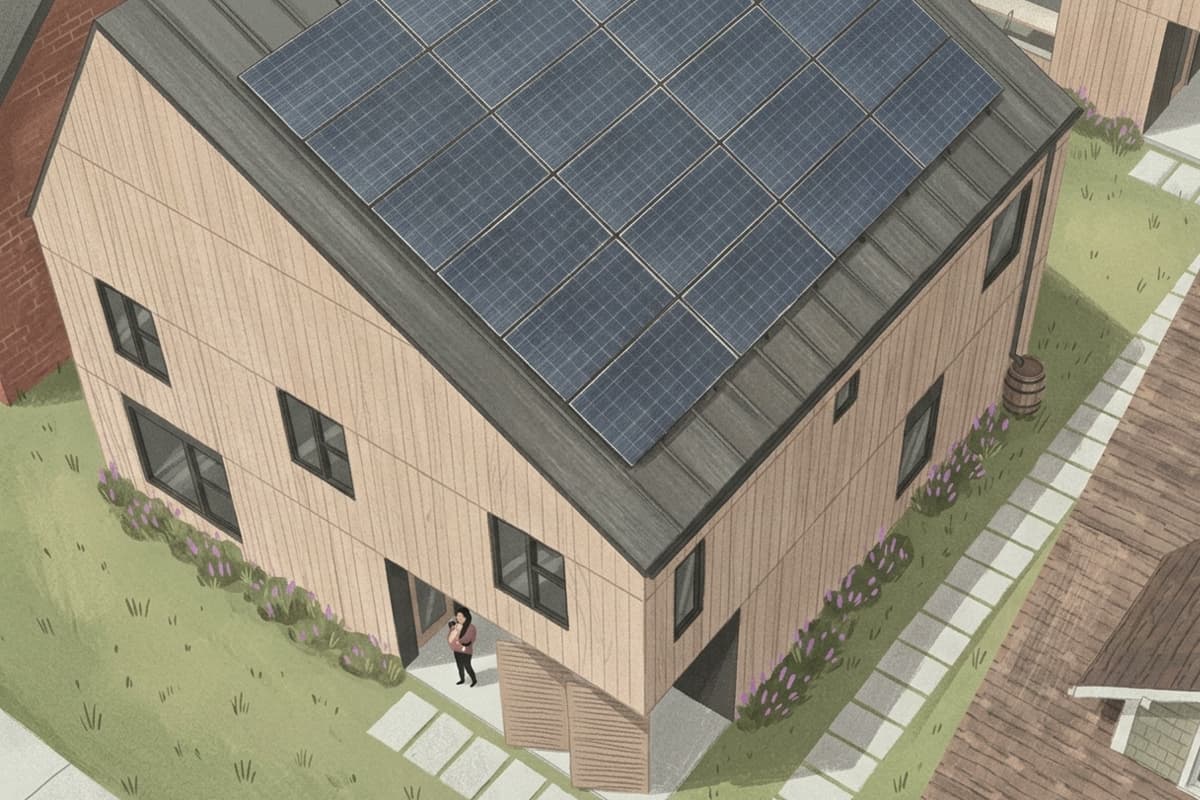
- Solar-Ready Design: Unless your site has significant shading constraints, your roof must be designed to support future solar arrays. This includes structural capacity and reserved paths for wiring from the roof to the electrical panel.
Preparing for Colorado’s Net Zero Future
As Colorado moves toward a net-zero grid, homes that are already optimized for high-performance mechanical systems will be in demand.
Retrofitting a finished home for these systems is significantly more expensive than integrating them during the initial framing and rough-in stages.
Building Your Home
Working on projects for your existing home or thinking about building a custom home can be a daunting task. Don't hesitate to reach out if you're needing any advice, see my calendar for scheduling a time to talk.