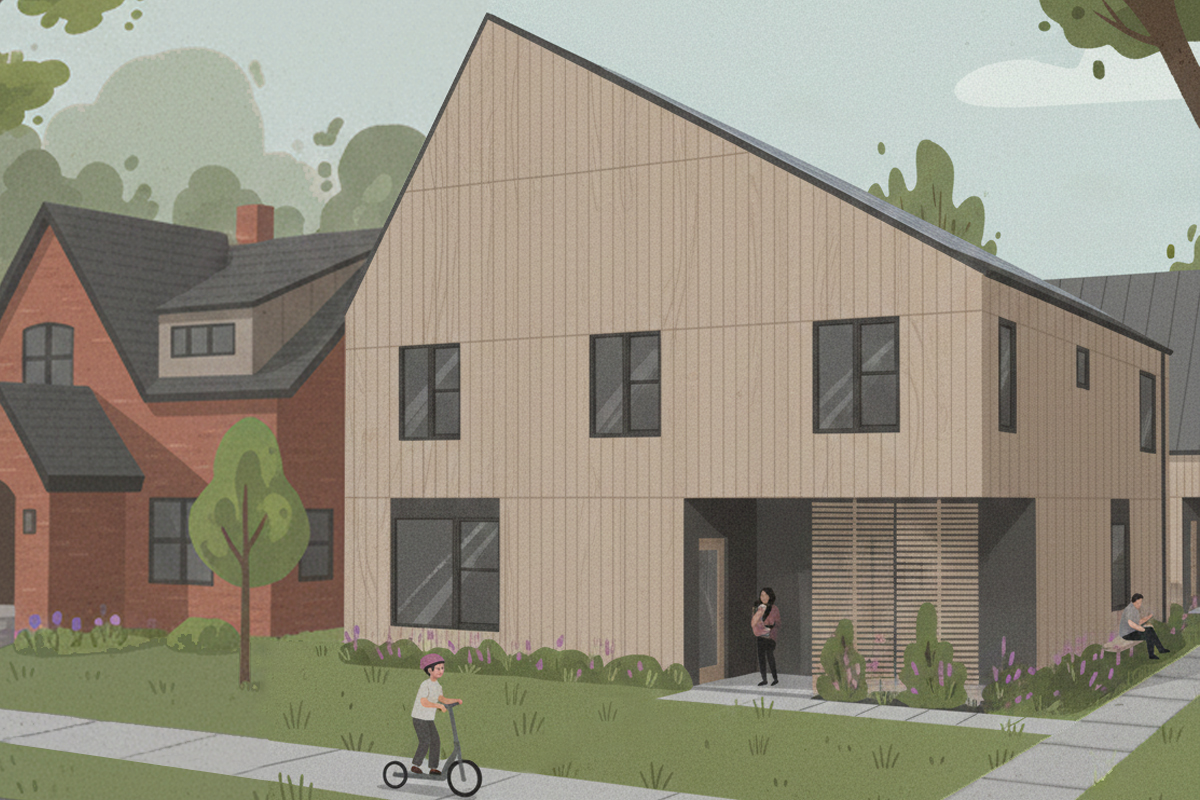
The Ultimate Floor Plan Checklist!
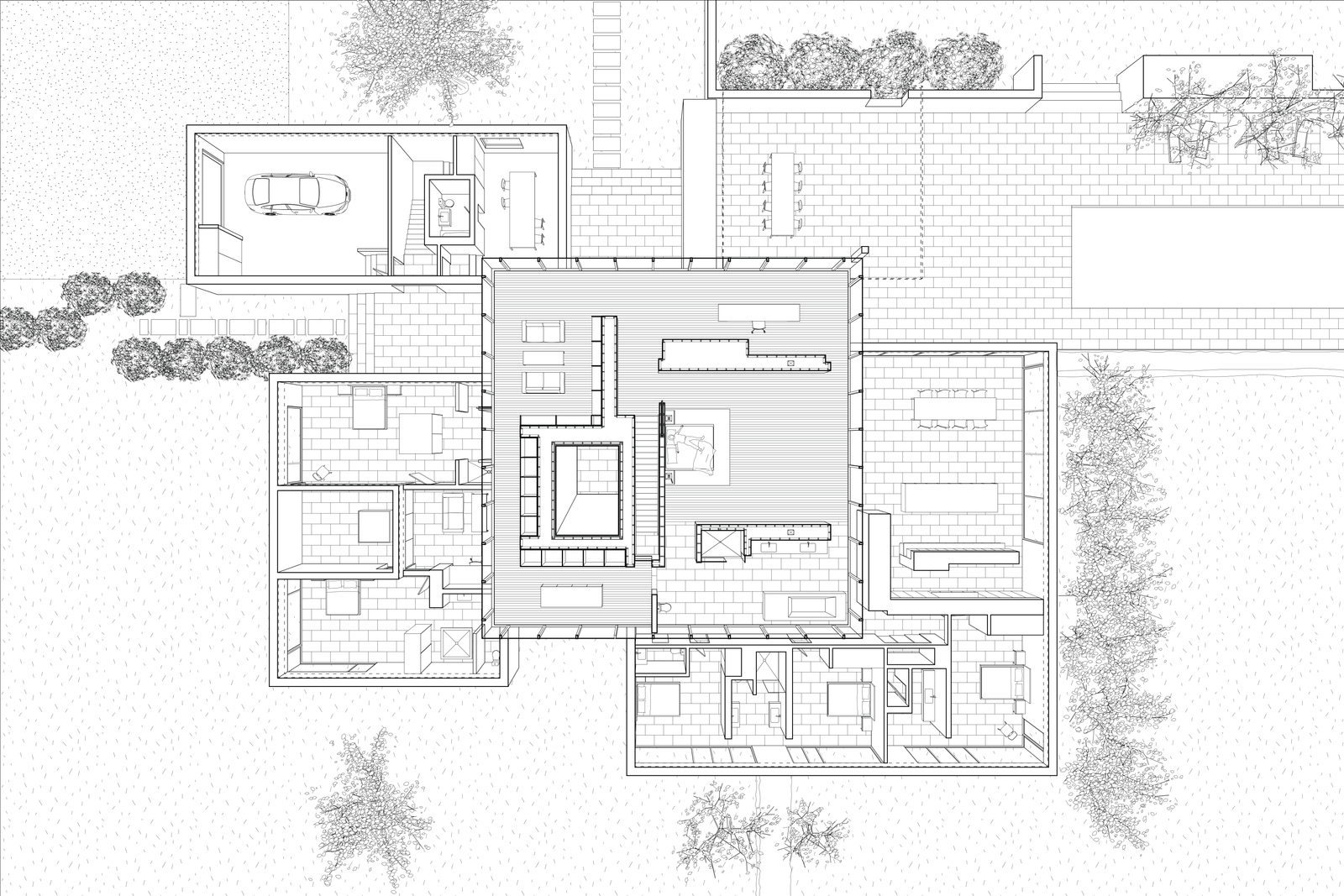
Use this floor plan checklist to make sure that your new home layout will function.
When looking at a 2D floor plan, it’s easy to not be able to visualize the space. Creating a great floor plan is a balance of skill and art. After having done hundreds of floor plans here here is the foundation for what I’m paying attention to:
1. Entry Sequence
- [ ] The Entry Zone: Is there a place to drop keys, mail, and bags right by the door that will be most frequented? There should be a special place, whether a piece of furniture or a closet. This avoids places that will get cluttered like a kitchen countertop.
- [ ] The Path: Can you easily get from the garage/entry to a place to set down and put away the groceries?
- [ ] Doors: Do any doors conflict with each other? Specifically, does the entry door prevent easy access to the coat closet or do they overlap? Check things like laundry room and bathroom door swings (Your drawings should have door swings shown).
2. The Kitchen
- [ ] The Work Triangle: Are the sink, stove, and refrigerator arranged functionally? The work triangle is generally a good method but can be adapted depending on how you like to use your kitchen or what is existing if renovating.
- [ ] Clearance: Is there at least 42–48 inches of walkway space to move around counterspace and islands (36 inches is the bare minimum, but it might feel a little tight).
- [ ] Drop Spot: Is there at least 15–24 inches of counter space next to the stove for maneuvering hot pans or near the refrigerator to be able to set something down?
3. Zoning & Privacy
- [ ] Public vs. Private: Are the bedrooms physically or visually buffered from the living room and kitchen?
- [ ] Bathrooms: Are the bathrooms tucked away? Nobody wants a bathroom door that opens directly into prime living space.
- [ ] Acoustic Buffers: Are closets or hallways used as buffers between a loud living room and a quiet bedroom?
4. Storage & Mechanics
- [ ] Mechanical Square Footage: Is there a dedicated space for the water heater, furnace, and electrical panel? Most clients and architects forget about the mechanical systems.
- [ ] The Laundry Location: Is it possible to locate the laundry room close to where the clothes live (bedrooms), or will you be hauling baskets up and down stairs daily? Sometimes space is at a premium by the bedrooms but having the washer and dryer nearby is great.
- [ ] Bulk Storage: Is there a place for cleaning items like the vacuum, a place for holiday decorations, and large staples like Costco paper towel packs?
5. Design Efficiency
- [ ] Keeping it simple: Count the exterior corners. Every corner adds to the complexity and thus cost. If there are extra corners, make sure that there is a purpose. Avoid a collage of materials and shapes that cost a lot and clutter the exterior of the home.
- [ ] The View: Does the layout of the house lend itself to getting the right views in the right places? Do the bedrooms look out towards more private landscaping? Does the living room open up to the backyard? What are you looking at when at the kitchen sink?
- [ ] Window Alignment: Do the windows allow for cross-ventilation? (Windows on two different walls of a room so that wind can easily move through the interior space).
- [ ] Stacked Plumbing: Are plumbing fixtures laid out in a way that makes it easy to run plumbing? Having the second floor bathrooms located above the kitchen or powder room saves a lot in plumbing costs and reduces the water running through walls noise.
- [ ] TV Placement: Is there a logical place for a TV? Nothing worse than getting to building completion and having to stick a TV high over the fireplace.