Build Better: A Home for Healthy Living
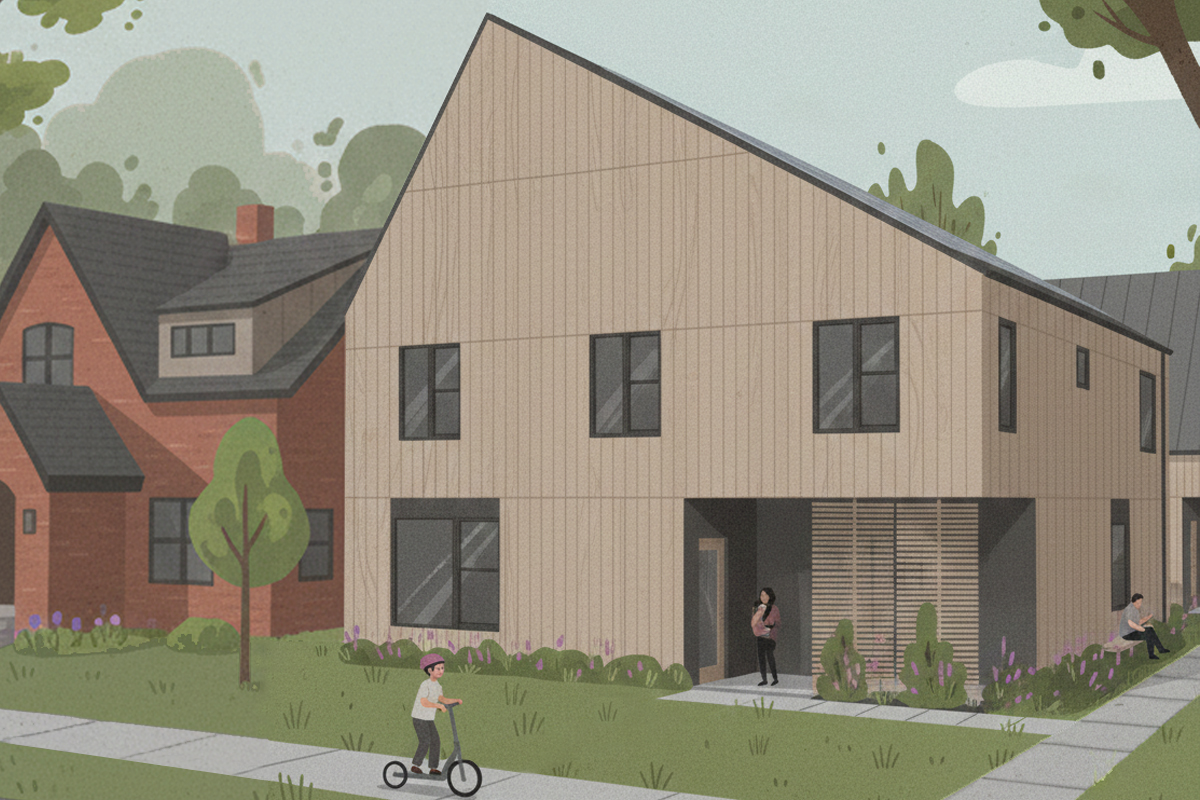
Building a home that focuses on the health and wellness of occupants requires properly designing the floor plan, building the home with quality building science and construction techniques.
This means moving beyond minimum building code thresholds toward advanced building science, continuous thermal insulation, and meticulous moisture control.
There are many different design guidelines and certifications presently that can each bring important ideas to the science of building. This includes WELL, Passive House, Pretty Good House, LEED, and Net Zero.
Having a good designer that is familiar with all of those modern approaches to home design and construction is important to getting a quality designed home.
The Healthy Home Checklist
[] Meticulous Site Cleanliness and Material Storage
- A clean job site during active construction leads to a healthy home to begin living in.
- How a crew treats the job site reflects how they handle hidden details.
- If contractors leave trash, food wrappers, and scrap material scattered in crawlspaces, attics, or behind wall cavities, it often signals a careless approach to critical construction steps and leaves dust and debris.
[] Framing Squareness
- The quality of a home begins at the framing. The real world means that nothing is truly square but that is no excuse for sloppiness in framing a house.
- It is important to make sure that walls that are plumb, corners measure square, and floors that do not slope.
- There needs to be clean, consistent stud spacing and continuous load paths down to the foundation. Make sure to place proper blocking.
[] Rigorous Water Management and Drainage Details
- Exterior grading needs to slope away from the foundation.
- There needs to be properly integrated capillary breaks, and fully functioning rain screens.
- Water intrusion is one of the major indicators of residential longevity. A beautiful finish means little if moisture is allowed to compromise wall assemblies or flood foundations.
[] Continuous Air-Sealing and Thermal Insulation Integrity
- The biggest benefit of building a home is having a house that isn’t drafty
- After a house is built, a low ACH50 blower door test result should be used to confirm how quality the build quality is.
- There needs to be effort put forth in ensuring that construction details are free from thermal bridging.
- High-performance custom builds prioritize comfort and energy efficiency over bare code minimums.
[] Precision Finish Carpentry and Clean Transitions
- Quality construction has tight, gap-free miter joints on trim work, flush cabinet alignments, and straight paint lines where walls meet ceilings.
- Finish carpentry is one of the most costly elements of a home. A biggest indicator of luxury construction quality is displayed through the millwork.
- Craftsmanship is defined by tight tolerances and clean material transitions where wood, tile, drywall, and stone meet.
[] Thoughtful Mechanical, Electrical, and Plumbing (MEP) Layouts
- Neatly strapped and routed PEX/copper plumbing, labeled electrical breaker panels, isolated sound-proofed utility walls, and accessible shut-off valves.
- Shoddy builders hide bad plumbing or electrical spaghetti behind walls. A quality custom build features clean mechanical rooms, dedicated fresh-air ventilation (like ERVs), and accessible cleanouts or shower valves that do not require tearing open drywall to repair.
[] Solid, Non-Squeak Subfloor Assemblies
- Rigid, quiet flooring with zero vertical movement, fastened using high-density engineered subfloor panels (such as AdvanTech) with glued and taped tongue-and-groove joints.
- Squeaky floors are one of the most common homeowner complaints on residential forums. Quality construction uses heavy-duty subflooring and structural adhesives that withstand moisture exposure during the build cycle without swelling or delaminating.
[] Durable, Climate-Appropriate Exterior Materials
- UV-resistant roofing, high-grade siding with full-coverage factory finishing down to the bottom edges, and thermally broken window assemblies.
- Premium custom homes use exterior finishes that weather gracefully over decades rather than deteriorating after a few seasons of harsh sun, freeze-thaw cycles, or heavy wind-driven rain.
[] Proactive Communication and Independent Inspection Welcomed
- Transparent scheduling, detailed progress updates, and a builder who openly welcomes third-party independent home inspectors during mid-project milestones.
- As discussed frequently by project managers on r/homebuilding, the relational process mirrors the physical build. A trustworthy custom builder encourages independent verification at pre-pour, pre-drywall, and final stages because they stand behind their subs' work.
[] Comprehensive and Transparent Warranty Support
- A clear, written warranty covering workmanship, building systems, and a 10-year structural guarantee backed by an established local reputation.
- Fly-by-night operations vanish when post-construction callbacks arise. A quality custom home builder stands by their execution long after the final payment clears, ensuring peace of mind for the homeowner.