Successful Home Building: A Guide to Proper Home Siting
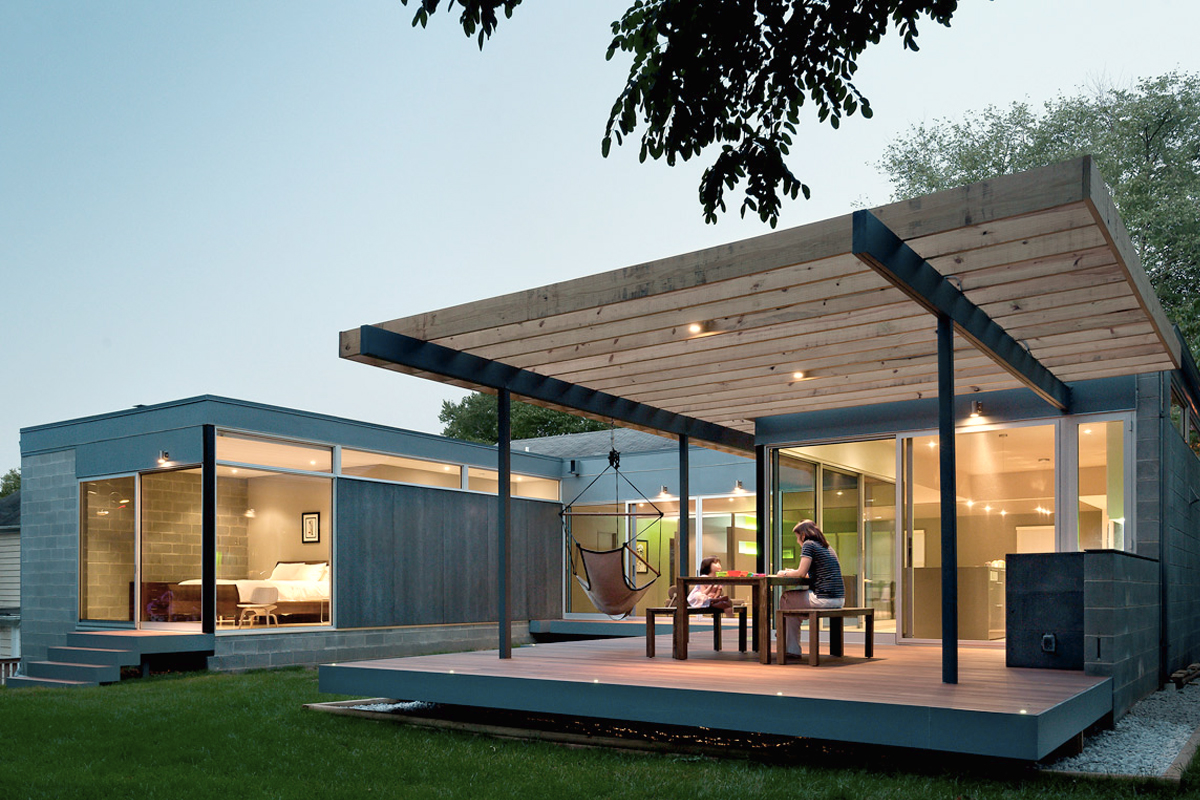
The success of a residential project is determined long before construction starts. In 2026, setting up a new build for success is paramount.
There are many important factors for ensuring that you’re starting off on the right foot when designing a custom home. This includes visiting the site and taking note of important views, determining the best solar orientation, and building with the site’s topography.
Proper site placement takes into account a building's massing, solar orientation, natural topography, and environmental context.
With taking those into account, your home will be optimized for energy efficiency, moisture management, and long-term structural durability.
Solar Orientation
The sun is a powerful tool that is too important to disregard when designing a home.
Knowing its path across the site is important in the placement of windows and doors. In the Northern Hemisphere, particularly across the Front Range, leveraging a southern exposure is essential for passively heating a home during the winter.
Sun-Optimized Geometry
The depth of your roof overhangs and the angle of any shading system like louvers are calculated based on the solar azimuth. This allows the low-angled winter sun to flood in and warm the interior thermal mass while blocking the high-angled, intense summer rays.
Window and Door Strategy
Strategic window placement is more than just capturing the best view; it’s about managing the building’s potential for energy efficiency.
Minimizing north-facing glass size can reduce heat loss because they lose more heat than they gain. Carefully-sized southern windows and doors maximize comfortable sun exposure.
West facing windows will get blasted with the hot evening sun and east-facing windows provide good morning light but lose out on the sun later in the day.
Land Agency
Working with the land’s natural contours is fundamental to the structural longevity of a home or building. Attempting to force a design that doesn’t take the site into account onto site often leads to having to do more site work like adding retaining walls and having perennial drainage nightmares.
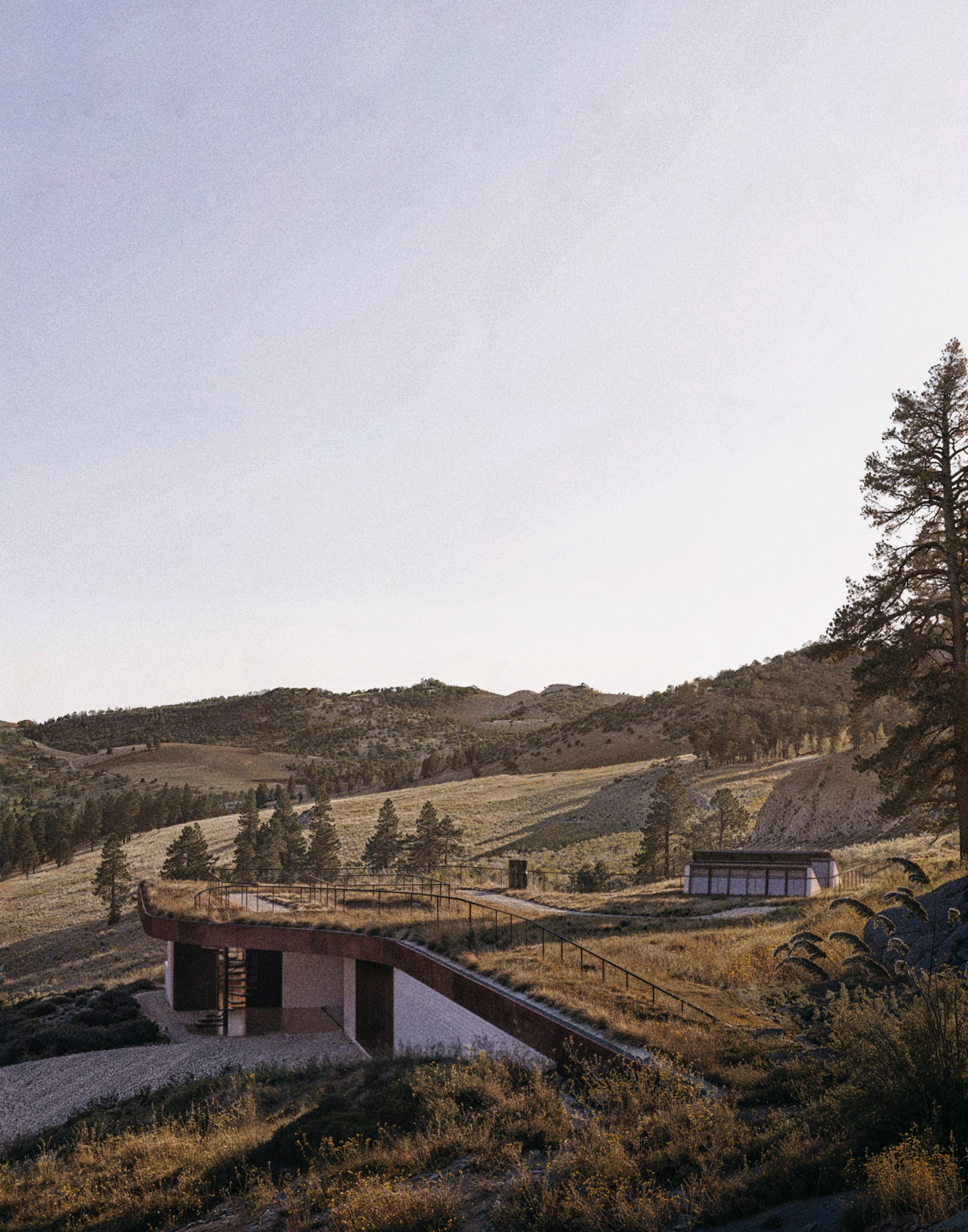
Nestling into the Site
Varied topography offers the opportunity to nestle a home into the landscape. This provides natural earth-sheltering benefits, where the ground acts as a thermal buffer, stabilizing indoor temperatures. It also creates a dynamic tension between intimate, sheltered spaces and expansive, panoramic views.
Water Capture and Coloradoscaping
A successful site plan looks at the existing water flow and integrates it into the landscape design. Utilizing Coloradoscaping through the use of native, drought-tolerant plants and strategic swales allows the property to absorb runoff naturally, preventing foundation erosion and supporting the local ecosystem.