9 Hidden Costs That Will Blow Your Custom Home Budget (And How to Avoid Them)
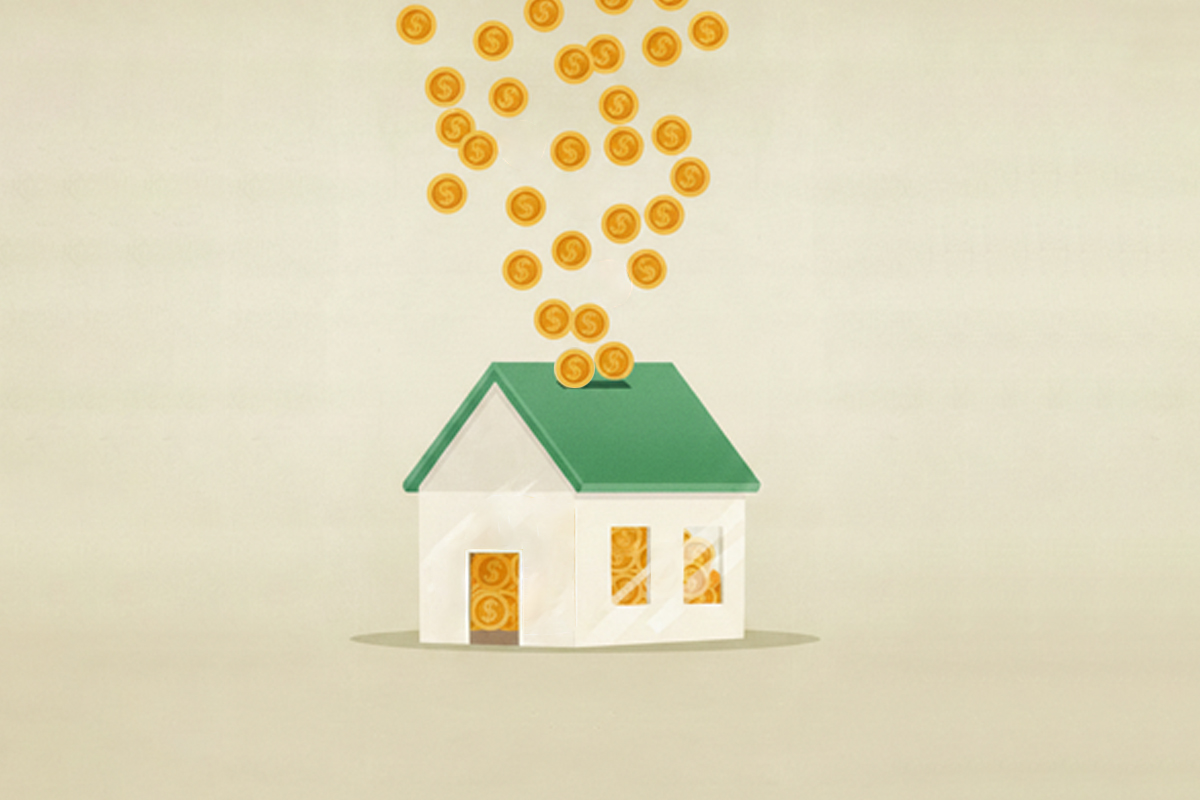
Building a custom home in 2026 is often a process of managing many financial stressors and trying to navigate an opaque process.
While external factors like material inflation and labor shortages are frequently discussed when budgeting, a lot of unnecessary spending can happen on the design and decision making process.
If you’re not careful when building, procedural inefficiencies can add tens of thousands of dollars to a project without increasing its functional value.
1. The Geometry Tax: Excessive Exterior Corners
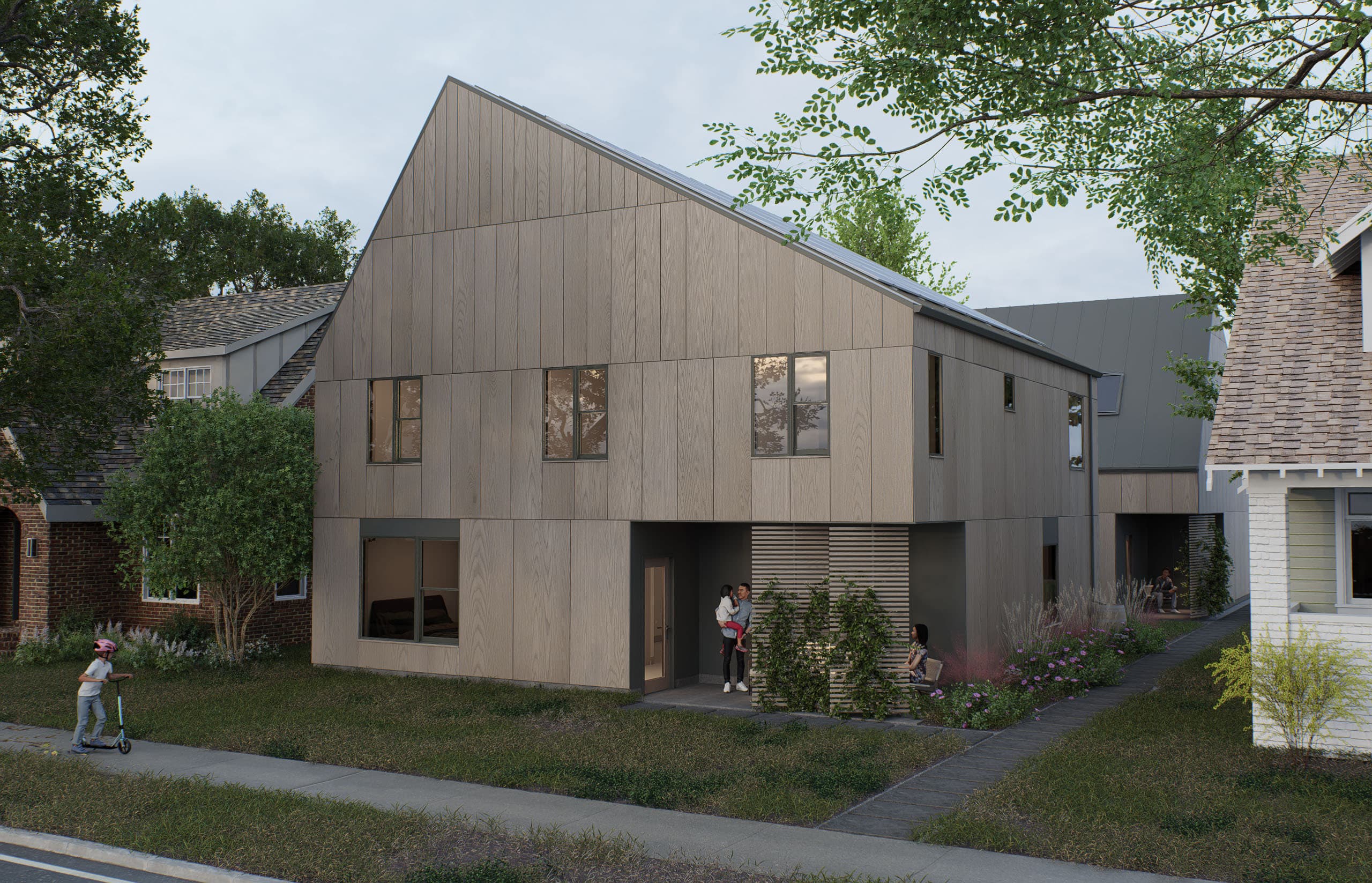
Every time a floor plan moves away from a simple shape, the cost per square foot increases. A standard four-corner house is the most efficient to frame and finish. Adding jogs or nooks for aesthetic variety requires more complex foundation work, more waste in materials, and significantly more labor. A simple form is often the most elegant solution, the real return comes in the details.
2. Complex Rooflines and Valleys
A roof with multiple gables, hips, and dormers is one of the most expensive ways people think adds curb appeal. Each valley in a roof is a potential leak point that requires expensive flashing and special attention. A simple gable roof is not only cheaper to build but significantly easier to maintain over the life of the home.
3. Change Orders
Moving a wall on a digital floor plan costs a little amount of time and money. Moving that same wall after the studs are in place is costly with the potential implications the move makes on systems. The change order is the most common reason project budgets spiral out of control. Builders often account for their profit margins in the initial bid but rely on mid-build changes to recover lost time or expenses.
4. Ignoring Mechanical and Electrical Coordination
When a house is designed without a coordinated Mechanical, Electrical, and Plumbing (MEP) plan, subcontractors must field-figure the installation. This often results in clashes where a structural member blocks a necessary HVAC duct. The labor required to reroute systems or modify the structure mid-build is a major source of wasted money.
5. Custom Window Shapes and Sizes
Standard window sizes are mass-produced and affordable. Moving to custom-sized or oddly shaped glass can double the cost of the window package. Additionally, oversized glass often requires structural steel headers instead of standard wood headers, adding another layer of material and labor cost.
6. DIY Hangups
Homeowners often try to save money by saying that they’ll take on a lot of the work. This includes things like drywall or tile work. However, professional crews are significantly faster and produce less waste. A DIY drywall job that takes three weeks longer than a pro would have. Some projects in a new home build are quicker and easier to have professionals that have the tools and experience to make it happen. This results in months of delays and potentially adding back in the cost when the DIY turns out to be too time consuming for a homeowners schedule. This adds to carrying costs on the construction loan.
7. Long-Lead Trendy Materials
Selecting materials that are currently trendy often means competing for a limited supply. In 2026, certain materials like white oak can have longer lead times and lesser quality. If a project stalls because a specific tile hasn't arrived, the homeowner continues to pay interest on their construction loan while no progress is made.
8. Excessive Ceiling Volume
High ceilings are a double-edged sword. While they create a sense of space, they increase the total volume of air that must be conditioned. This requires larger, more expensive HVAC units and leads to higher monthly utility bills. Furthermore, taller walls require more drywall, and more paint. Make sure that higher ceilings are strategically used instead of making the whole interior tall.
9. Hire The Right People
Making sure that you have a team that you can trust is paramount to keeping costs in line. An architect or designer should be able to provide detailed drawings using BIM to ensure coordination and fast visualization (CAD is out, anyone saying otherwise is going to end up costing you). Having a general contractor that is able to schedule things in a timely manner and understands architectural drawings.
Building Your Home
Working on projects for your existing home or thinking about building a custom home can be a daunting task. Don't hesitate to reach out if you're needing any advice, see my calendar for scheduling a time to talk.