The Best Bathroom Design Guide for 2026
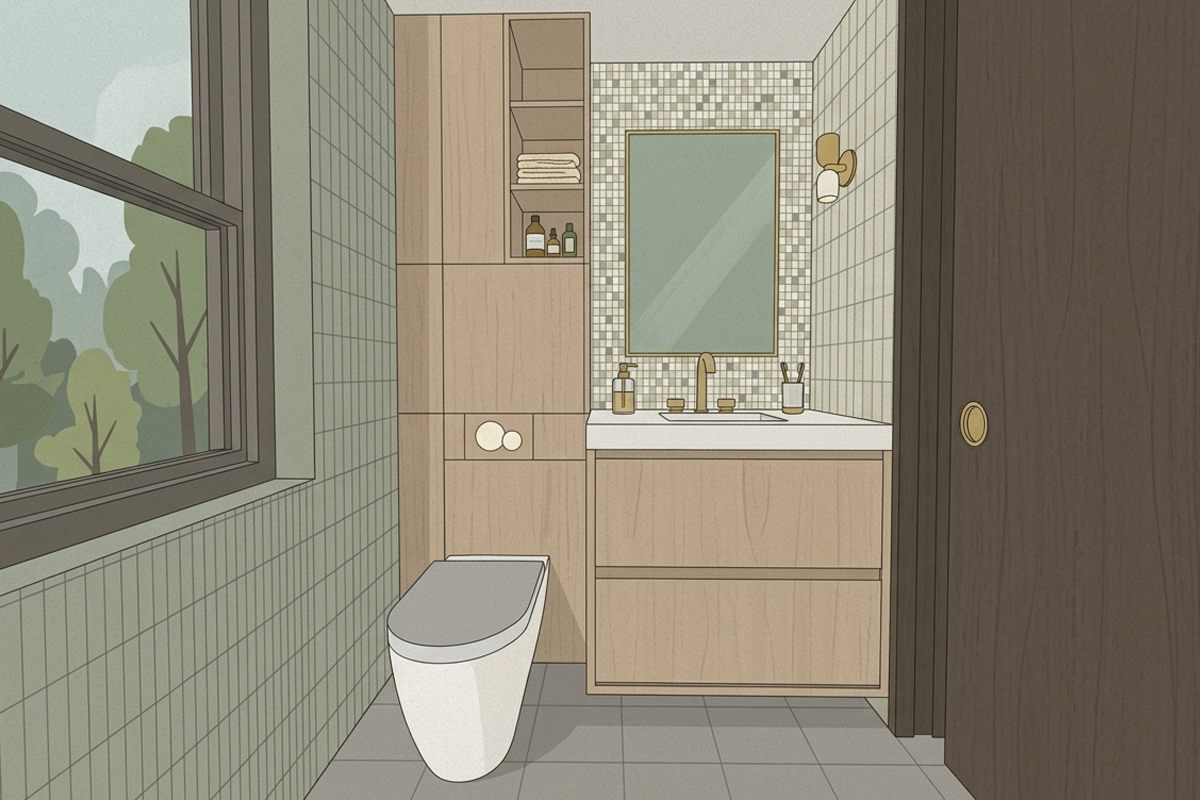
Planning a new layout for a bathroom is one of the more complicated design tasks for a house and having the best guide can be invaluable. This includes both renovating an old bathroom or building a new bathroom.
With designing a custom home, there is the benefit of being able to determine plumbing runs and the necessary electric circuits. On the other hand, renovating a bathroom, there are a few more questions that determine the best approach.
You can skip the next section if you’re starting from scratch.
Renovation Factors
If you’re looking to renovate an existing bathroom, there are a few questions to ask to determine the correct approach.
- What is the budget? This determines the extent that can be done. If you’re more budget conscious, Check out how to refresh a bathroom on a budget.
- What is the timeline? This determines the extent to which you can source materials. In the past few years, ordering some tiles can take a longer amount of time to get to the site. To speed up finding great tiles, check out my guide for finding good looking tiles in Denver. A faster timeline requires sourcing materials that can be procured locally.
Moving plumbing fixtures start to add to the complexity and cost of the renovation. For example, moving a toilet means that the drain might be a headache to reroute with the floor structure. A curbless walk-in shower? That takes planning for the shower pan.
First Up, Plumbing Fixtures
To be able to figure out how to best use the space, start by identifying what plumbing fixtures are needed in the space.
Key things to determine space planning:
- Double sink?
- Walk-in shower?
- Hand shower?
- Shower seating?
- Tub?
Bathroom Ergonomics
After determining all of the desired items in the bathroom, sketch out the general areas that the fixtures occupy in the appropriate space. Try to group things like shower and tubs to create a wet zone away from places to get ready or dressed like at the vanity.
6 Keys in Creating an Ergonomic Bathroom:
- Avoid sight lines to the toilet and make sure that there is an ease of moving through the space, paying attention to how you will use the space and where you will be facing.
- Controls should be easily accessible to turn on a shower without getting wet.
- A vanity not completely located in a door swing so that it will hit someone standing at the sink. Figuring out the best place to locate a door or the direction that the door should swing can be a tricky task. I talked about this with a reporter at Livingetc.
- A towel bar or hook right outside the shower so that it can be easily grabbed when wet.
- Places for storing towels, cleaning supplies, and soap.
- Thought out niches in the shower so that they aren’t in the direct line of water.
Electrical Planning
Make sure to layer the lighting. A bathroom needs both ambient lights recessed in the ceiling and point lights around the vanity to reduce shadows.
Look for UL damp or wet-certified lights depending on the use when lighting things like a shower or a vanity.
Often missed, adding a dimmer to the lighting can really enhance the bathroom experience. With a dimmer, you can set the lighting for a dim relaxing soak to the lights being at full brightness to be able to properly see when putting on makeup.
Make sure to also include needs like a heated towel rack or flooring into the electrical plan when doing the electrical plan.
Venting
One thing overlooked is ventilation.
Make sure to get a quiet, nice looking fan that is sized right. Panasonic makes a good default with their whisper series.
I try to place it so that it isn't in your face, somewhere above the toilet and near the shower. Fittes makes a nice flush grille to hide it.
A bathroom fan should be sized using the length x width x height x .13 of the room. Round up so 91 should be at least a 100CFM fan.
More demanding plumbing fixtures like a jetted tub can add to the requirements. Check with your local building jurisdiction to confirm sizing.
The fan being on a timer is what I prefer since you just have to hit the button and not worry about it. Some have humidity sensors but with the general use of the bathroom, sometimes you want to run it when there is no humidity.
Age in Place
An accessibly-minded bathroom can be great insurance for future mobility challenges. Putting blocking in the walls for grab bars is a minor addition to any bathroom that can reap the benefits if anything was to happen.
Zero-entry (curbless) showers are easy now-a-days depending on the waterproofing system that you select. Stepping over a curb or into a tub to take a shower, especially with wet feet allows for opportunities to slip and fall. A well designed shower will be able to be curbless and not drain excess water into the room.
Building a Better Bathroom
Bathrooms are some of the more complex rooms in a home, don't hesitate to reach out to discuss what your aspirations are for creating a beautiful bathroom. Land Agency will can guide you in creating a bathroom designed uniquely for you.